How to Develop a Clothing Line in the US as an Independent Brand
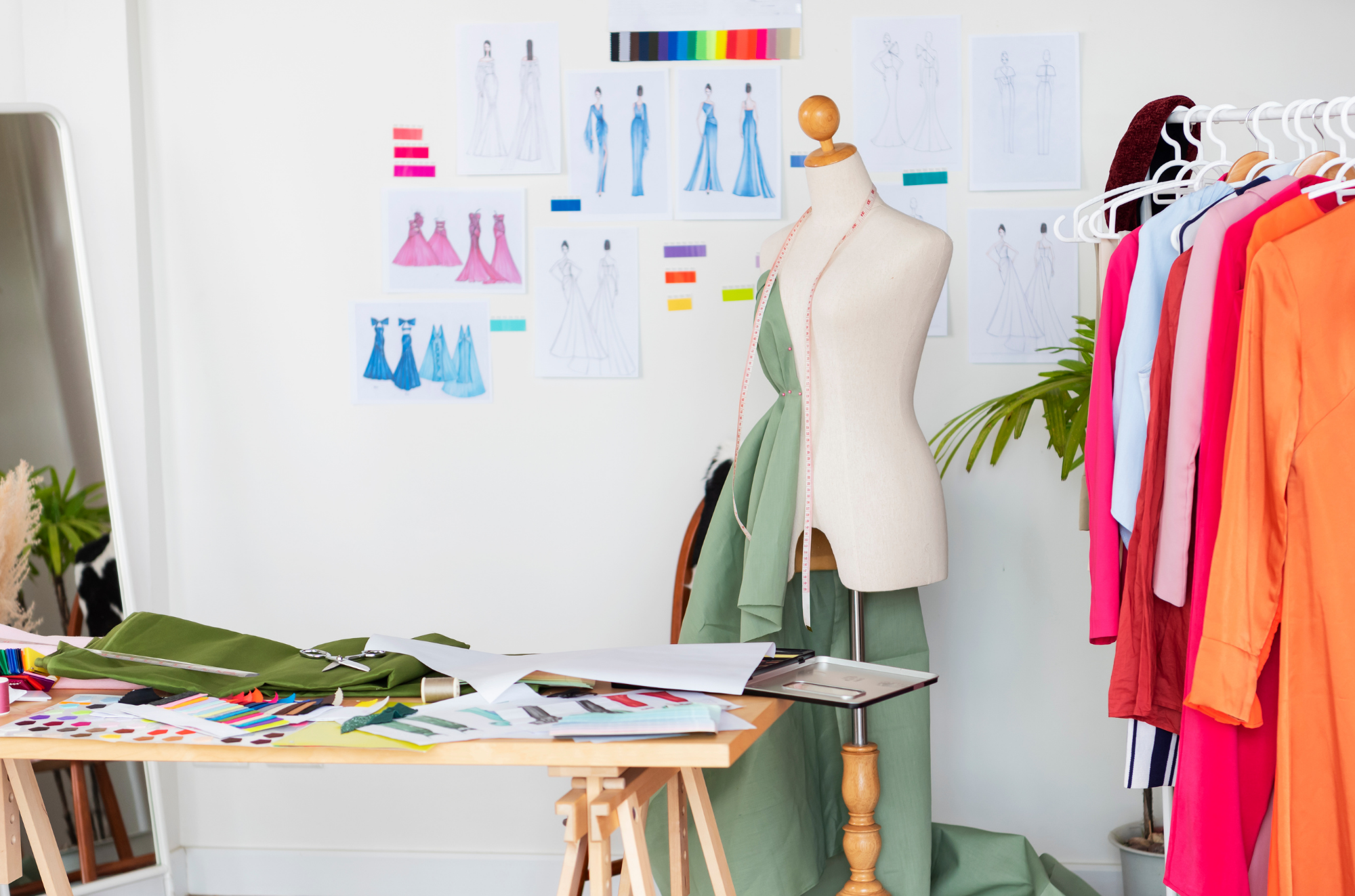
Starting a clothing line is one of those things that sounds straightforward until you're actually in it. The reality is there are a lot of moving parts, and most of the information out there is either too vague to be useful or written for brands that already have a factory relationship and a development team. This guide is for independent founders who are starting from scratch or trying to get more organized after a messy first attempt.
Here’s an honest breakdown of what the development process actually looks like when you’re building a clothing line in the US.
Step 1: Get Clear on Your Concept Before You Touch a Single Fabric
The most common mistake independent brands make is jumping into sampling before they have a clear product direction. Before you talk to anyone — a designer, a factory, a technical design agency — you need to be able to answer a few basic questions:
Who is this for, and what problem does it solve for them?
What’s the price point, and does your development budget support that margin?
How many styles are you launching with, and what fabrics are you thinking about?
What does the timeline look like? Do you have a launch date in mind?
You don’t need all the answers locked in forever, things will change. But having a working concept before you start spending money on development will save you from a lot of expensive pivots later.
Step 2: Design Your Garments
Sketches are a starting point. What a factory actually needs is a flat technical drawing, also called a CAD or a flat, that shows the garment front and back, with construction details, seam lines, and any design features called out clearly.
If you’re a designer, you might be doing this yourself. If you’re a founder without a design background, you’ll likely need to hire a freelance fashion designer or a technical design agency to translate your vision into something a factory can read.
This is also a good stage to think about fabric and trim sourcing, not just aesthetics, but weight, stretch, care requirements, and how each choice affects your cost per unit.
Step 3: Build Your Tech Packs
A tech pack is the document that bridges your design and your factory. It contains everything a manufacturer needs to build your garment: flat sketches, measurements, grading specifications, construction callouts, material specs, colorways, label placement, packaging requirements, and more.
If your tech pack is incomplete or unclear, one of two things happens: your factory either comes back with a list of questions that delays sampling, or they make their own interpretations and you end up with a sample that misses the mark. Either way, it costs you time and money.
Building solid tech packs is one of the most high-leverage things you can do in the development process. It’s also one of the areas where independent brands most often underinvest.
Step 4: Find the Right Manufacturing Partner
Domestic vs. overseas manufacturing is a whole conversation on its own, but here’s the short version: domestic manufacturing typically means higher per-unit cost, lower minimum order quantities (MOQs), faster turnaround, and easier communication. Overseas manufacturing, primarily in countries like China, Vietnam, Bangladesh, and Portugal, usually means lower per-unit cost but higher MOQs, longer lead times, and more complexity around quality control and logistics.
For independent brands launching a first collection, domestic manufacturing often makes more sense even if it costs more per piece, the lower MOQs reduce your risk, and being able to visit the factory in person is worth a lot when you’re still learning.
When you’re vetting factories, ask about their experience with your product category specifically. A factory that specializes in activewear isn’t necessarily the right fit for woven tailoring, and vice versa.
Step 5: Sampling and Fit Review
Once your tech pack is submitted, the factory will build a proto sample. This is a first physical version of the garment, usually in whatever fabric they have on hand rather than your final material. The goal here isn’t a finished product. It’s to check construction, proportion, and fit.
Most brands go through two to three sample rounds before approving a garment for production. Each round should be documented with detailed fit comments: specific, measurable feedback tied back to your tech pack specs. “The sleeve feels off” is not useful. “Sleeve length is 1.5 inches too long at size medium, please reduce and re-grade” is.
This is where size grading matters too. If you’re launching in multiple sizes, each size needs to be graded correctly, not just scaled up or down uniformly. Poor grading shows up on the body, and it’s one of the most common issues that gets missed until production.
Step 6: Pre-Production and Quality Control
Once the sample is approved, the factory will do a production run. Before you sign off, make sure you have a pre-production sample in your actual production fabric, color, weight, and hand feel can all shift when you move from a proto fabric to the real thing.
If you’re manufacturing overseas, consider hiring a third-party QC inspector to do an in-line or final inspection before goods ship. It’s a relatively small cost compared to the risk of receiving a production run full of issues. Otherwise QC is something the factory will check before shipping out the goods.
What Most Independent Brands Skip
The part of this process that gets skipped most often is technical documentation, the tech packs, the grading specs, the fit records. It’s understandable. These things feel like administrative work when what you really want to do is make product. But cutting corners here is what leads to expensive sampling rounds, production delays, and inconsistent sizing across your line.
If you’re not a technical designer yourself, working with someone who is — even just for the documentation side of things — tends to pay for itself quickly.
Ready to Start? Here’s Where to Begin
If you’re in the early stages of developing a collection and you want to do it properly, with clean techpacks, accurate specs, and a process that doesn’t cost you three extra sample rounds, that’s exactly what we do at Lilith Apparel.
We work with independent brands at all stages of development, from first-time founders building their initial line to established brands who need more reliable technical support. If you want to talk through where you are in the process and what you actually need, reach out! We’re happy to point you in the right direction even if that’s not us.