What Do You Need Before Approaching a Manufacturer?
At some point in building a clothing brand, you reach the moment where you think: okay, I need to actually make this thing. And naturally, the next thought is: I should find a manufacturer.
That instinct is right, but only if you have everything ironed out.
Going to a manufacturer too early — before you have the right documents and files ready — is one of the most common and costly mistakes we see from new founders. It leads to miscommunication, wasted sampling rounds, delays, and sometimes factories that simply won't take you seriously.
So before you start sending out emails and requesting quotes, here’s what you actually need to have in hand.
A Clear Design
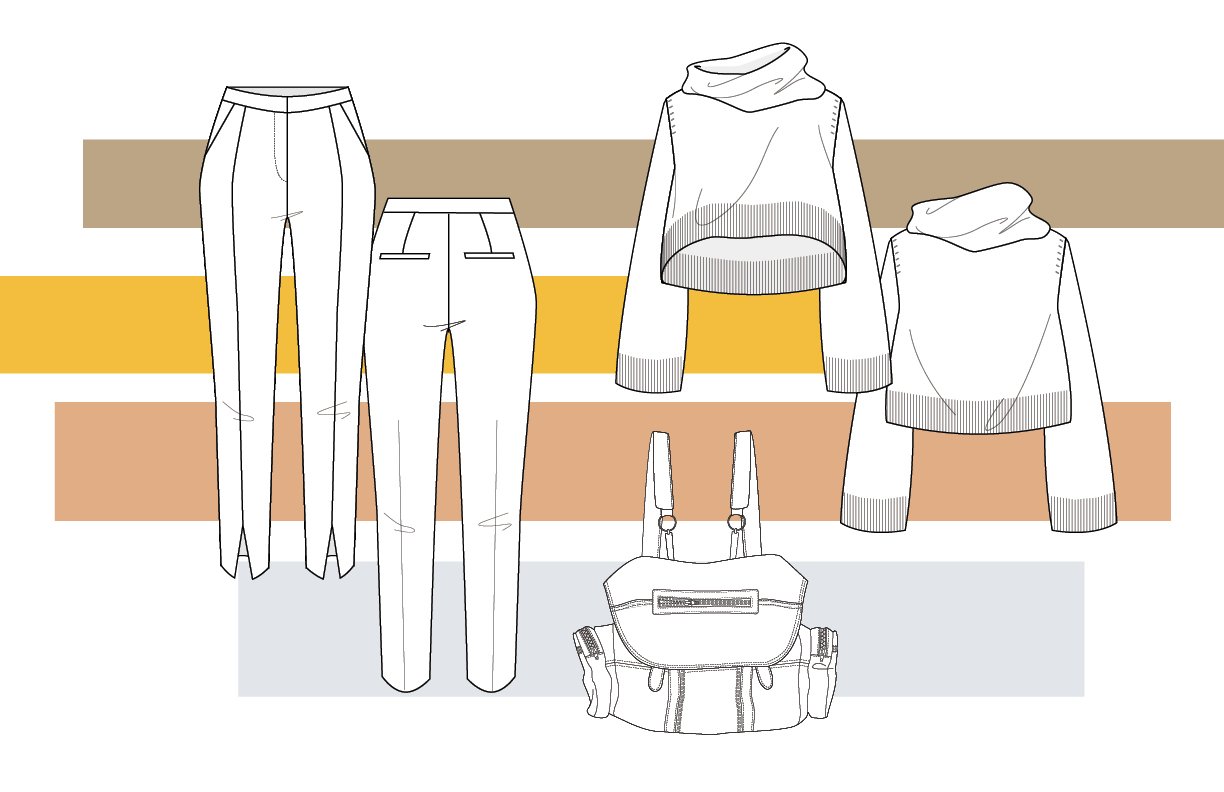
There’s a big difference between having a clothing idea and having a design. A manufacturer can’t work from “I want something like this but with a different neckline.” They need specifics.
Your design needs to be documented with technical flat sketches (also called CADs) precise, clean illustrations that show the front, back, and any important details like pockets, stitching, hardware, and closures. These are not fashion illustrations. They’re not meant to look pretty. They’re meant to communicate exactly what needs to be built.
If you’re still in the rough sketch stage, that’s okay, that’s what the design and development process is for. But don’t approach a manufacturer until those sketches have been turned into proper technical flats.
A Tech Pack
This is the big one. If you only take one thing away from this post, let it be this: you need a tech pack before talking to a manufacturer.
A tech pack is essentially the complete instruction manual for your garment. It tells the factory everything they need to know to produce it correctly, without having to call you for clarification on every detail. A well-made tech pack includes:
Technical flat sketches (front, back, and detail views)
A full measurement spec sheet with every point of measure
Construction and stitching details
Materials and trims list with exact specifications
Colorway options and artwork placement guides
Labeling and packaging requirements
Every one of those line items is a potential miscommunication if it’s missing. Manufacturers work from instructions. The more complete and clear your tech pack, the fewer sampling rounds you’ll need, and the less money you’ll waste fixing avoidable errors.
A lot of first-time founders try to skip this step or cobble together a basic document themselves. We’ve seen how that usually goes. A professionally made tech pack isn’t a nice-to-have. It’s the thing that makes your production run actually work.
Patterns (At Least a Base Size)
Your tech pack tells the manufacturer what to make. Your patterns tell them how to cut it.
Patterns are the physical (or digital) templates used to cut your fabric pieces before they’re sewn together. Every seam allowance, notch, grain line, and dart needs to be precisely mapped out. A poorly made pattern means inconsistent sizing, fit problems, and wasted fabric. A well-made one means clean, consistent production across your whole run.
At minimum, you’ll want a production-ready pattern in your base size before you start sampling. Size grading (creating patterns for all your other sizes) happens after you’ve confirmed the fit.
Your Fabric and Materials Direction
You don’t need to have every material sourced before approaching a manufacturer. But you do need to have a clear direction, if you are relying on them to source for you.
Know your fabric composition (e.g. 95% cotton / 5% elastane), your weight range, any performance requirements (stretch, moisture wicking, UV protection), and your preferred trims. If you have specific fabric swatches, even better! Some manufacturers can help source to match, but only if you can tell them what you’re after.
Showing up to a manufacturer with “I want it to feel soft and premium” isn’t a brief. It’s a starting point for a very long conversation. The more specific you can be, the better.
A Realistic Sense of Your Production Volume
Most manufacturers have minimum order quantities (MOQs) — the smallest number of units they’ll produce per style or per colorway. These vary a lot depending on the factory, the country, and the type of garment.
Before you reach out, have a rough idea of how many units you’re planning to order. Not a locked-in number, but a realistic ballpark. This helps you identify whether a particular manufacturer is even a viable option for your stage of business, and it means the conversation starts on honest footing.
Some manufacturers will produce as little as 50 units, others will not even entertain a conversation unless you can produce at least 1000. Starting with “I’m thinking around 100-200 units per style” is a lot more useful than “I’m not sure yet.”
A Note on Timing
We know the excitement of getting to the manufacturing stage. After months of ideating, designing, and refining, you want to move. And the temptation to reach out to factories before everything is ready is real.
But manufacturers get inquiries from hundreds of brands. The ones they respond to quickly and take seriously are the ones who come prepared. A complete tech pack and production-ready patterns signal that you’re a professional, that you’ve done the work, and that working with you won’t be a headache.
Getting your ducks in a row before you reach makes a strong first impression with the people you’re hoping to build a long-term working relationship with.
Not Sure If You’re Ready?
That’s what we’re here for. At Lilith Apparel, we help emerging brands and first-time founders get production-ready. From concept and 3D design all the way through to tech packs, patterns, and size grading.
If you’re not sure whether your files are factory-ready, or if you’re starting from scratch and want to do it right, we’d love to hear about your project.
Get in touch here, we’re always happy to have a no-pressure chat about where you’re at and what you need.